Project area
The “Green Path” project area stands out for its remarkably rich and well-preserved natural values, hosting a wide range of plant and animal species and serving as an important ecological corridor. The project takes a holistic approach to sustainable development, looking beyond individual sites to embrace the broader landscape. Alongside the protected areas of “Karaš-Nera” and the “Mlaștina Satchinez” Reserve, the initiative also connects with nearby natural treasures such as the Bela Crkva Lakes, the National Park “Canyon of Nera and Beușnița,” and the Special Nature Reserve “Deliblatska Peščara.” Together, these areas form a mosaic of ecosystems whose protection and sustainable use are essential for the well-being of both nature and local communities.
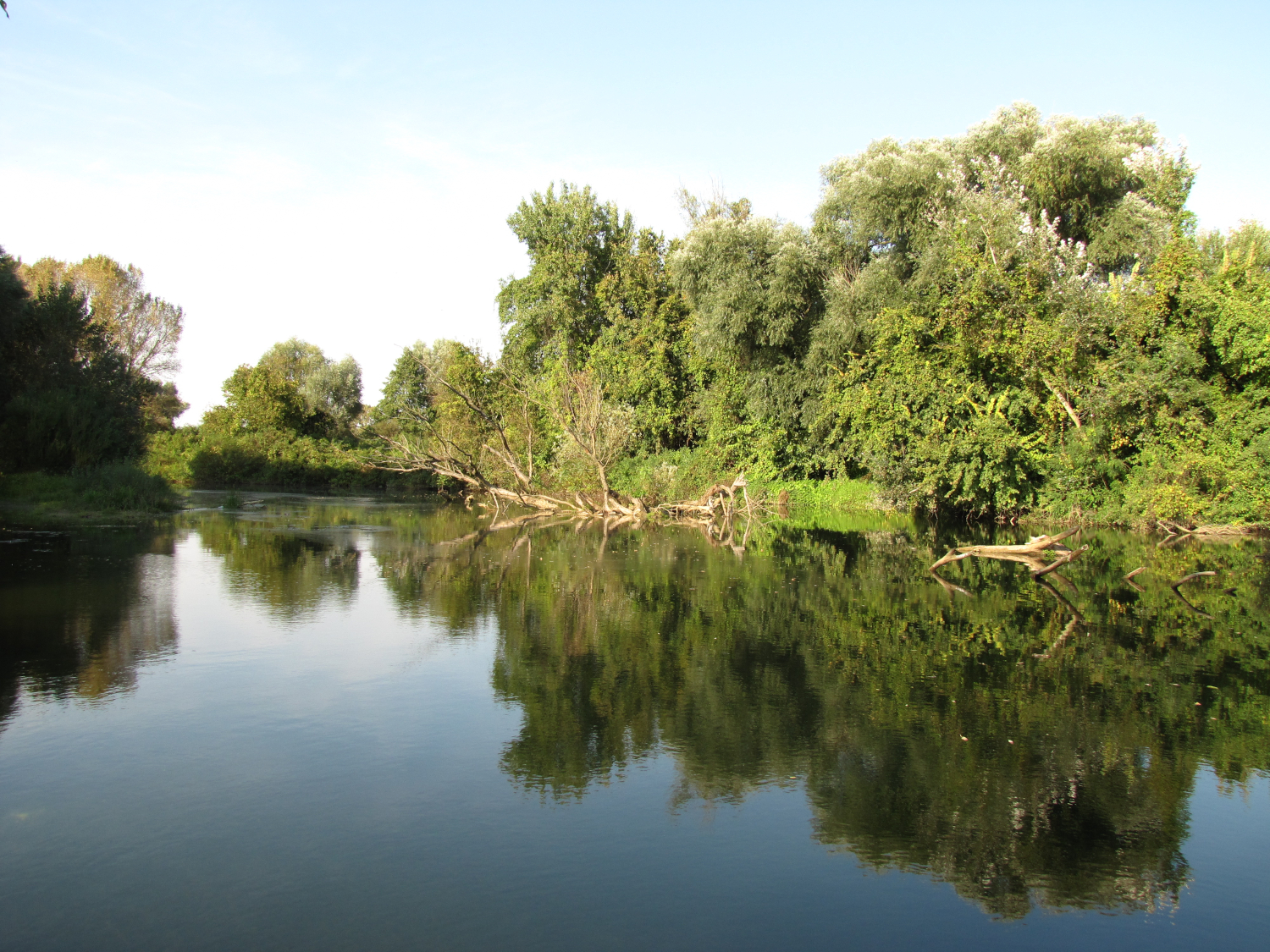
Bela Crkva Lakes
The town of Bela Crkva is best known for its lakes, a group of six water bodies formed as a result of gravel extraction for the construction industry. Four of them are large (Gradsko, Vračevgajsko, Šljunkara, and Novo Jezero), while the other two are smaller (Malo and Šaransko Jezero). Thanks to their remarkable water clarity, with visibility reaching up to four meters in depth, the lakes have earned the nickname “Pearls of Banat,” and Bela Crkva itself is often called the “Venice of Vojvodina.”
Tourism here is thriving: the town offers around 600 registered beds of various categories, and during the summer months, visitor numbers can reach up to 10,000 per day. Gradsko and Vračevgajsko Lakes are fully equipped for swimming, Šljunkara is partially developed for recreation, while the remaining lakes provide peaceful settings for fishing and birdwatching.
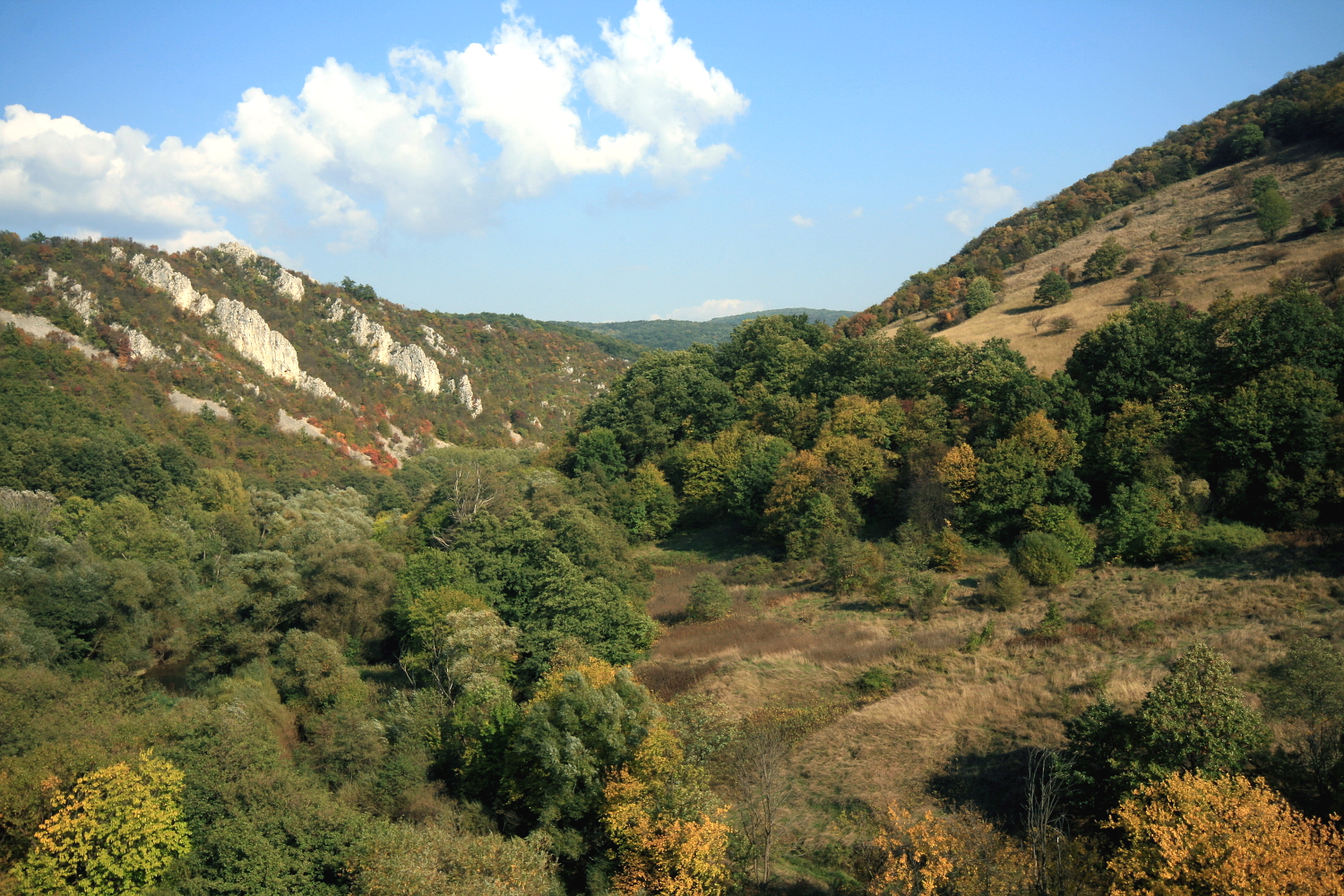
Nera Gorges - Beușniţa National Park
The Nera Gorges - Beușnița National Park is located in Romania’s Caraș-Severin County, stretching along the middle course of the Nera River and the upper course of the Beu River. Covering 36,758 hectares, the park is home to an exceptional richness of biodiversity. Its forests host oak, hornbeam, European beech, ash, black alder, Turkish hazelnut, dogwood, ruscus, and lilac, while rare and valuable plants such as orchids, fritillaries, yellow linden, and yellow crocus also thrive here.
The park shelters a wide variety of wildlife, with amphibians, birds, and bats among the most common species. Its geomorphology has shaped a spectacular landscape of gorges, valleys, caves, ravines, waterfalls, and rare lakes. The dominant habitats include swamps, forests, and cliffs, which together form a diverse ecological mosaic.
Among the park’s most famous attractions are Lake Ochiul Bei (Ochiul Beiului), the Beușnița Waterfalls, La Văioaga Waterfall, and Devil’s Lake. La Văioaga Waterfall, a particularly scenic spot, is located just 3 km from the park entrance.
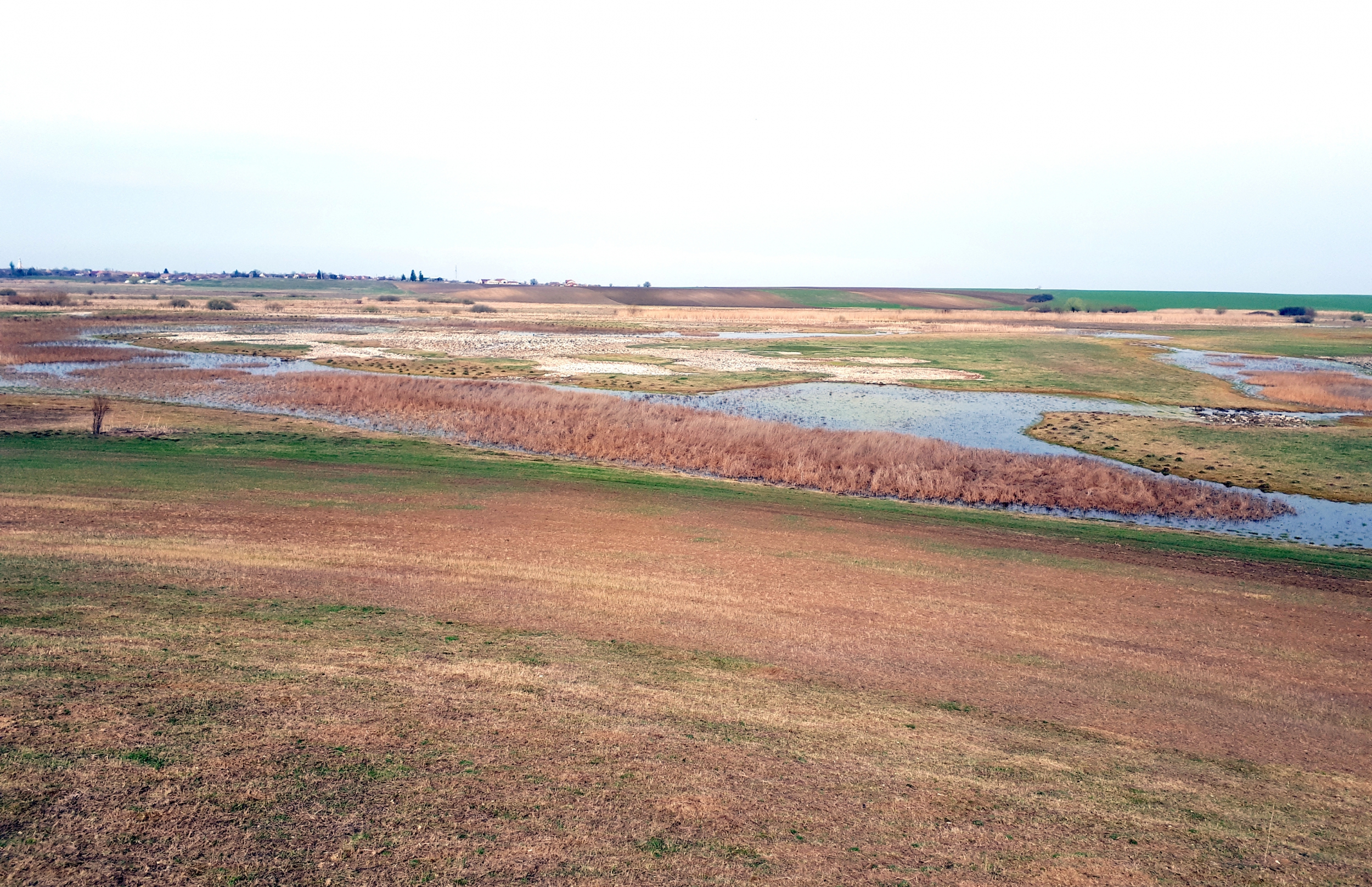
Satchinez Wetlands
The settlement of Satchinez is located 25km northwest of Timisoara, in the immediate vicinity of the main bed of the Hier stream. Between the municipality and the neighboring village of Bărăteaz, there is a protected area, the "Satchinez Wetlands" Reserve, which is a vast expanse of reeds, interspersed with wet meadows and ponds, into which shrubs are planted. This area was placed under protection in 1942, at the initiative of an ornithologist from Banat, Dionisie Linţia The Satchinez wetlands is a Natura 2000 area, with special protection categories, SPA and SCI habitat types. The Satchinez Marshes Reserve is not a "delta" in the true sense of the word, but rather a resting place on the Bulgarian-Pannonian migratory route for birds. The value of this area can be preserved if the role that the marsh plays in preserving the living heritage of our planet is understood and the problem related to land cultivation, as well as the livestock sector, especially when it comes to intensive grazing, is pointed out.
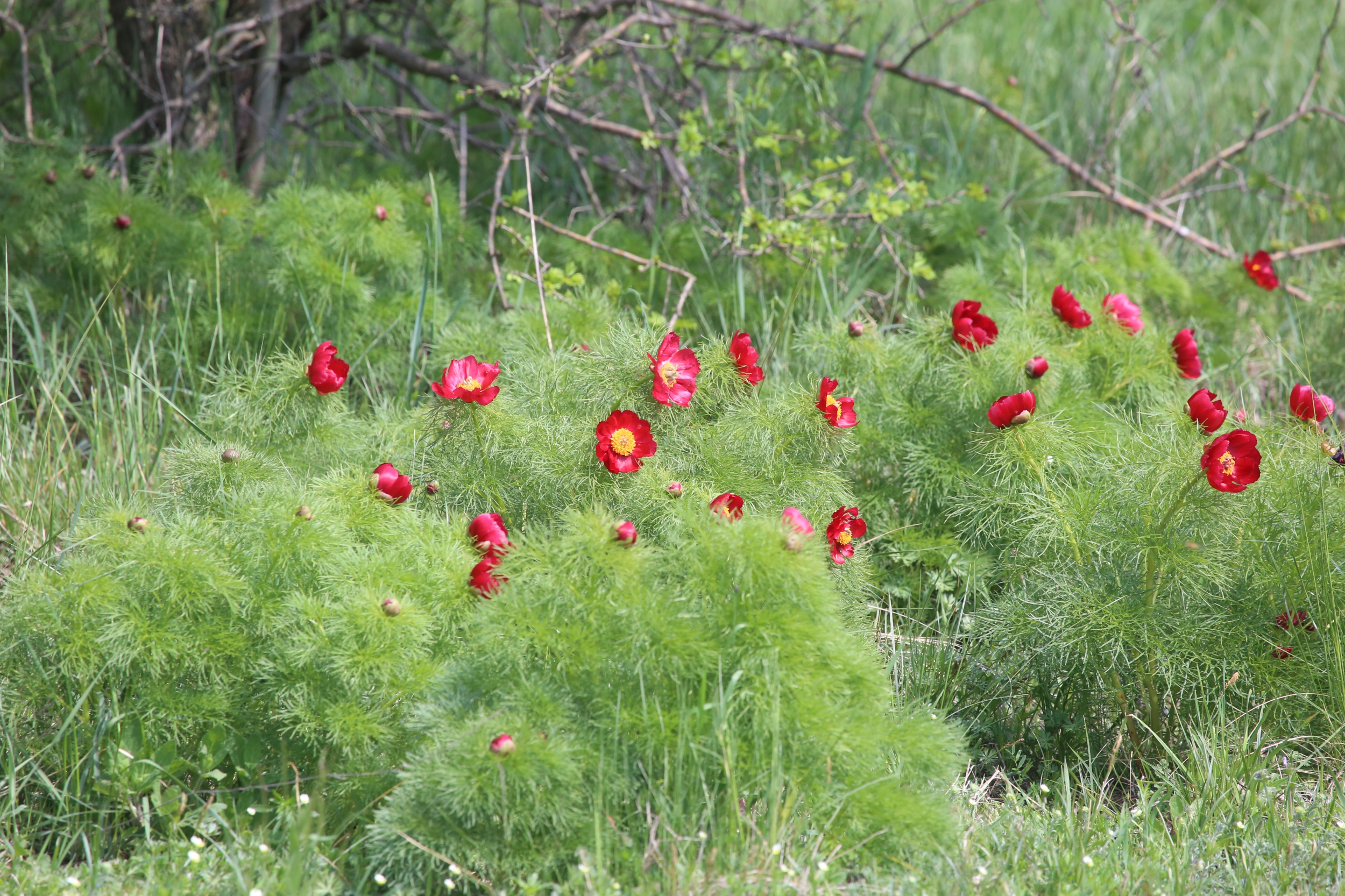
Special Nature Reserve "Deliblatska pesčara"
The protected area, Special Nature Reserve "Deliblatska pesčara", is located in the northeastern part of Serbia and covers a total area of 34,829.32 ha. It represents the largest European area built of aeolian sand deposits with pronounced dune relief forms and characteristic sandstone, steppe, forest and wetland ecosystems, with a unique mosaic of life communities and typical and specific representatives of flora and fauna. Special Nature Reserve "Deliblatska pesčara" is one of the most important centers of biodiversity in Europe, and its part, Labudovo okno, has been declared a Ramsar wetland.
Deliblatska pesčara is rich in numerous plant and animal life. There are over 900 species of plants in the sand dunes, of which as many as 10% are medicinal plants, and rare and endangered ones are under protection: venus flower (Adonis vernalis), steppe peony (Paeonia tenuifolia), great sassa (Pulsatilla grandis), sedge (Rindera umbellata), pancicii wormwood (Artemisia pancicii), numerous species of orchids and many other species. About 200 species of birds have been recorded, and the nesting species include the golden eagle (Aquila heliaca), the dwarf eagle (Aquila pennata), the steppe falcon (Falco cherrug) and the white-tailed eagle (Haliaeetus albicilla). The sand dunes are the habitat of the endangered ground squirrel (Spermophilus citellus) and the wolf.
Landscape of Exceptional Features "Karaš - Nera"
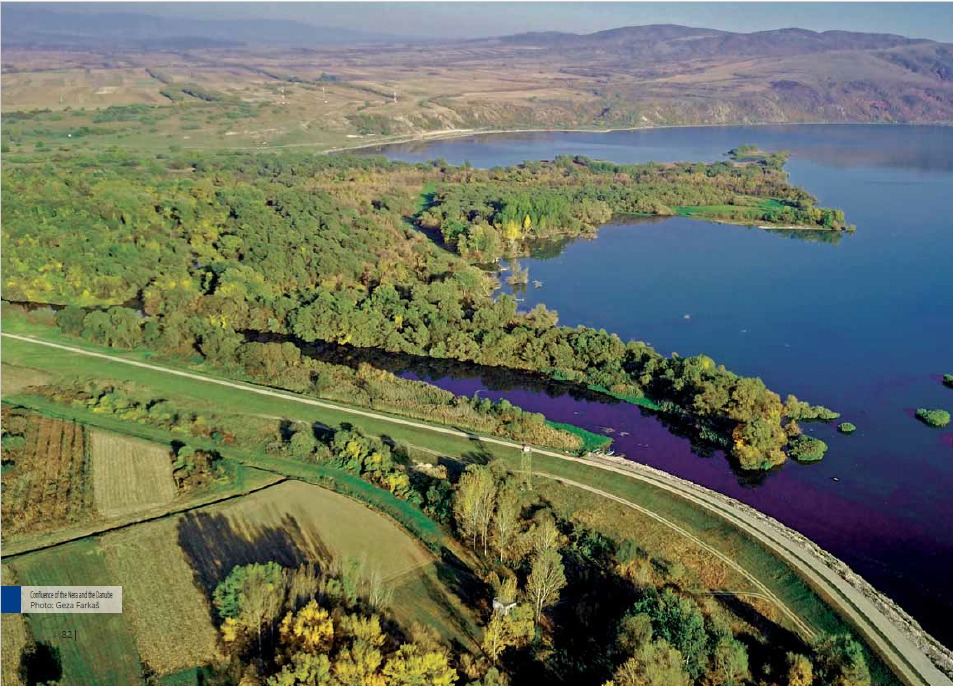
The Landscape of Exceptional Features "Karaš - Nera" is located in the southeastern part of Vojvodina, directly on the border with Romania, in the area of southern Banat. The entire protected area is located on the territory of the municipality of Bela Crkva and consists of three spatial units: "Karaš", "Nera" and "Mali pesak". It includes parts of the cadastral municipalities of Banatska Palanka (I, II), Vračev Gaj, Grebenac, Dupljaja, Kajtasovo and Kusić. The protected area "Karaš - Nera" covers an area of 1541.27 ha, of which 984.36 ha (63.87%) are under the protection regime of the II degree, while 556.92 ha (36.13%) are under the protection regime of the III degree. The area of outstanding beauty “Karaš-Nera” is characterized by a striking landscape of dune reliefs, with the nearby preserved meanders of the Karaš, contrasting with the dry sands. This protected area of outstanding beauty is rich in numerous and diverse flora and fauna. Among the protected plants are various orchids, such as the monk's foot (Epipactis palustris), the moor-flower (Adonis vernalis), then the two-shielded sedge (Fimbristylis bisumbellata), as well as the pointed sedge (Scirpus mucronatus). Around 160 bird species have been recorded in this protected area and Mali Pesak is a habitat for many protected species, such as the bee-eater (Merops apiaster).