From these literature data, a mathematical network model will then be constructed to quantitatively calculate the cumulative impacts of anthropogenic pressures. For this purpose, the ACIM module (Automated Cumulative Impact Model – ACIM), which is already partly integrated into LiACAT, will be used.
A special focus in the modelling will be placed on temporally dynamic interactions, taking life cycles into account. Based on the model results, for example, options to improve spawning and juvenile fish habitats with regard to cumulative interaction effects will be derived. Using this case study, a scientifically sound basis will be created for the development of measures to minimize cumulative effects and for transferring these insights into a wide range of potential practical applications. In addition to the quantitative analysis, the magnitude of uncertainty in the assessment of these cumulative effects will also be calculated and estimated.
Cumulative effects of hazardous substances on fish
We will conduct an analysis of anthropogenic pollutants on fish based on literature and environmental data with regard to cumulative interaction effects.
Despite the findings on the effects of pollutants on fish and an increasing number of publications on related cumulative interaction effects, no analysis of the interaction between different pollutants and their effects on fish has yet been carried out for the Wadden Sea. The proposed project aims to quantify these cumulative effects, as the results will make an important contribution to understanding developments in fish stocks and can be used to derive insights for improving the environmental status of fish populations. We will focus on a selection of key pollutants and on fish species that have spawning and nursery areas in the southern North Sea.
The data will be entered into an online tool that was developed specifically for such analyses (Literature-based Analysis and Cumulative Assessment Tool - LiACAT). This literature data will then be used to create a mathematical network model for the quantitative calculation of the cumulative effects of anthropogenic pressures. This defined network model will then be used to for the quantitative calculation of the cumulative effects of anthropogenic pollution on fish by the module ACIM (Automated Cumulative Impact Model) module. The modelling will focus in particular on temporal-dynamic interactions, taking life cycles into account.
Based on the model results, possibilities for improving spawning and juvenile fish habitats in terms of cumulative interaction effects will be derived. The practical example is intended to create a scientifically sound basis for the development of measures to minimize cumulative effects and to be applied to a wide range of potential practical fields of application. In addition to the quantitative analysis, the uncertainty in the assessment of these cumulative effects will also be calculated and estimated.
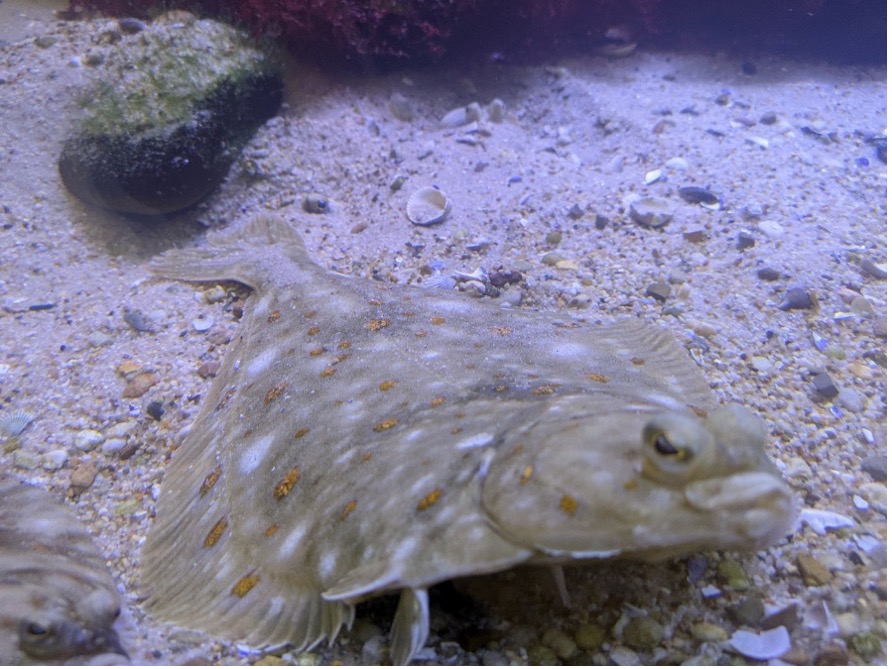
Pleuronectes platessa
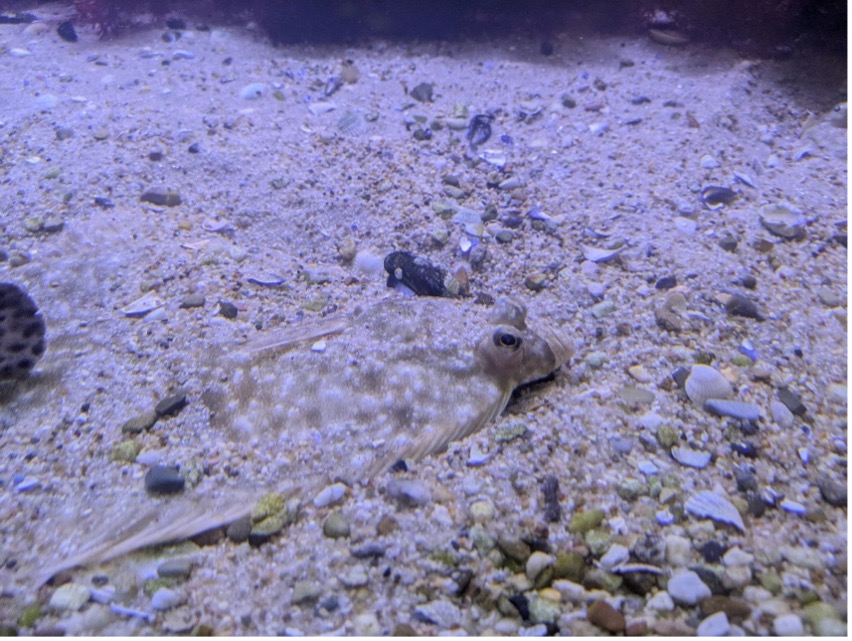
Pleuronectes platessa
Cumulative effects on seagrass meadows
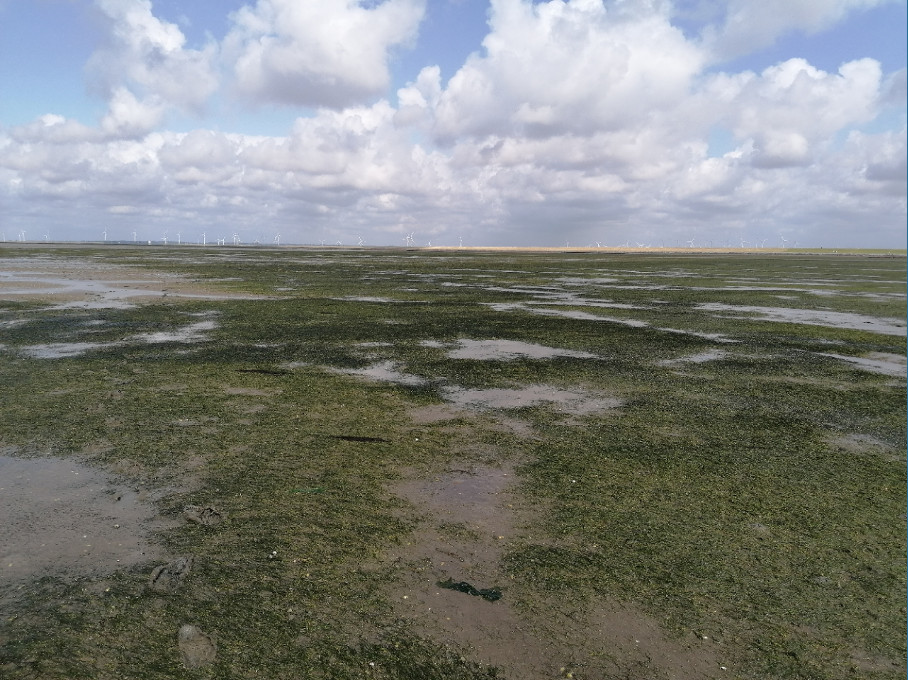
As part of the CEASolF project and in cooperation with the NLWKN, we further develop a seagrass model and test various environmental and management scenarios for a selection of seagrass beds. To do this, we use data from monitoring programs and combine it with findings on cumulative effects on seagrasses that are known from research. The seagrass model and the model we are developing for fish will later be linked, as seagrass beds have an important ecological function as spawning – and nursery habitats.
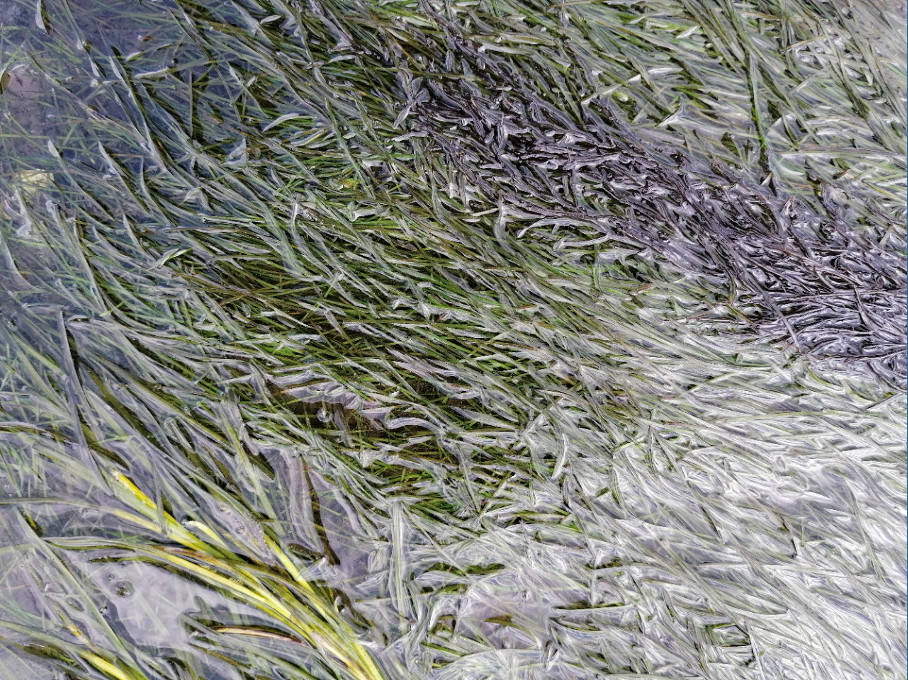
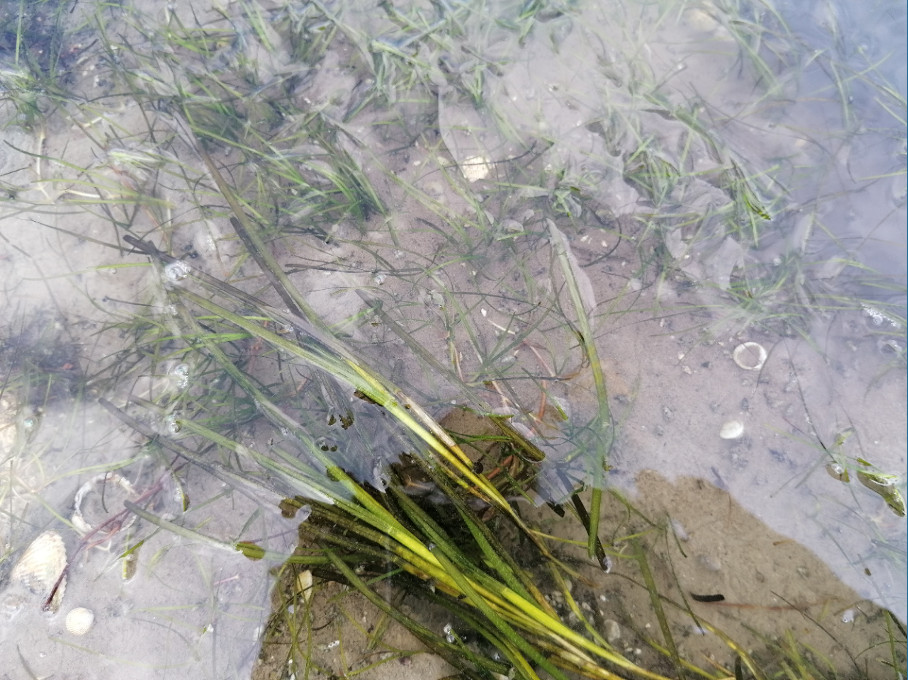
Mixed seagrass meadow with Zostera noltii (dominating here, smaller leaves) and Zostera marina (bigger and lighter green)